A brief guide to the Olympic sport of fencing
Creativity is the essence of fencing
— Charles Allen
A Very Brief History
Fencing can find it’s roots similarly to a lot of sports today, combat. In the 1400’s nobles would be sent to fencing schools to learn swordsmanship. Eventually, the art of killing evolved it’s way into an Olympic sport. Today, fencing is one of five Olympic sports that have been featured in every single Olympic Games. The sport has participants world wide, and is one of the fastest growing sports in the world. Fencing is seen as a very posh and high-brow sport, but every cycle, athletes from developing nations always qualify for the Olympics.
Foil
Foil is the lightest weapon in the sport. In this weapon, fencers have to score with the tip of the blade. The target area is the smallest compared to the other weapons. The targets are: torso, back, and groin. Touches are determined by a referee deciding who has the “right of way”. This weapon can find it’s origins traced back to early practice swords from the 17th century.
Epee
Epee is the easiest weapon for the average person to understand. This type of fencing has a slow pace due to the fact that the entire body is the target. To score in this weapon, fencers have to hit their opponent with the point of their blade. There is no right of way in this weapon, meaning both fencers are able to score without the referees interpretation.
Sabre
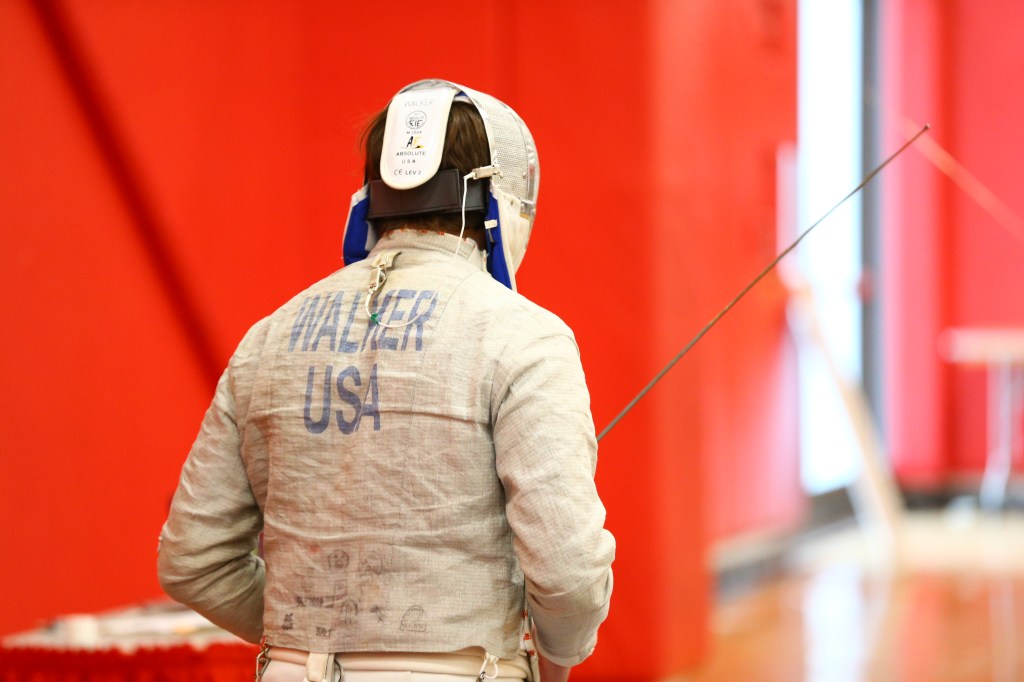
Sabre is the fastest weapon of the three. The targets in this weapon are the arms, body, and head. Basically, anything above the waist. This weapon has the “right of way” and a referee has to interpret what happened during the touch. This weapon stands out from the other two based off of the fact that touches are not only scored with the point, but they can also be scored with the edge using cutting motions instead of thrusts. This weapon’s origins come from cavalry officers.
Right of Way
The right of way is fencing’s main rule. Basically, the referee has to determine who is attacking. The point always goes to the attack. To stop the attacker, the fencer on defense must either make their opponents attack miss. Either by blocking the opponent, or opening up the distance, once the attack misses, the defender now assumes the right of way and is the attacker. The switch from defender to attacker is very quick and requires a keen eye with experience to be able to see it.
 The Life of Dalton